
Why Structure Is the Most Underrated Leadership Skill
When people talk about what makes a great leader, they mention vision, communication, emotional intelligence. Structure rarely comes up. And I think that's why so many capable women end up exhausted, second-guessing themselves, and feeling like they're always one step behind.
Structure isn't glamorous. It doesn't make a good keynote topic. But in my 20 years in corporate — 10 of those in senior leadership — I saw it over and over again: the leaders who had real clarity and calm weren't necessarily the smartest people in the room. They were the most structured ones.
What structure actually means
I don't mean rigid schedules or colour-coded spreadsheets. Structure, in the way I use it, is knowing what matters, when it matters, and protecting that — consistently.
It's the difference between reacting to your day and actually leading it. And when you don't have it, the signs are pretty recognisable: your mind runs constantly, decisions take more energy than they should, you're busy all day but something important always feels undone.
Why high-performing women often skip it
I have to admit — I did this too. When you're capable and driven, you trust yourself to figure things out on the go. And for a while, that works. You're reliable. You deliver. People depend on you.
But the higher the responsibility, the more that approach starts to cost you. The volume of decisions, the competing priorities, the mental load at home on top of work — at some point your brain is carrying so much that it can't properly switch off. Ever.
And when I look back at what was actually missing in those moments — for me and for the women I now work with — it wasn't effort. It wasn't even capability. It was a clear structure to hold everything together.
What changes when you build it
When I work with women leaders on this, the shift that surprises them most isn't the productivity. It's the mental quiet. When you know what you're doing and why, your brain stops running in the background trying to hold everything at once.
Decisions become easier — not because the problems get simpler, but because you have a clear framework for making them. You stop second-guessing. You stop feeling guilty for saying no. You actually finish the day feeling like you led it, not survived it.
I've seen this in very different situations. One client was a senior manager with two kids who told me after our first few sessions: "I didn't realise how much energy I was spending just trying to keep track of everything. Now that I have a system, I feel like I got my brain back."
Another was a director who was great at her job but kept leaving our sessions saying she felt overwhelmed before we'd even started working on anything strategic. Once we built a simple weekly structure for how she managed her priorities, that feeling went away almost immediately. She said she finally felt like she was running her week instead of the other way around.
And a third — a woman running her own business alongside raising three kids — had the same complaint almost everyone has at the start: "I'm doing so much but nothing feels finished." What helped her wasn't doing less. It was getting clear on what actually needed her attention and when, so she could stop carrying everything mentally at once.
The leadership skill nobody is teaching
We spend a lot of time developing technical skills, communication skills, strategic thinking. Very few leadership development programmes talk about how to actually organise your thinking, protect your priorities, and make structure a daily practice.
And that gap is exactly where the mental overload lives.
If you're a capable leader who feels like something is always slightly out of control — it's probably not your skills or your drive. Most likely, it's the structure underneath it all that's missing. And that's actually the good news, because structure is something you can build.
—
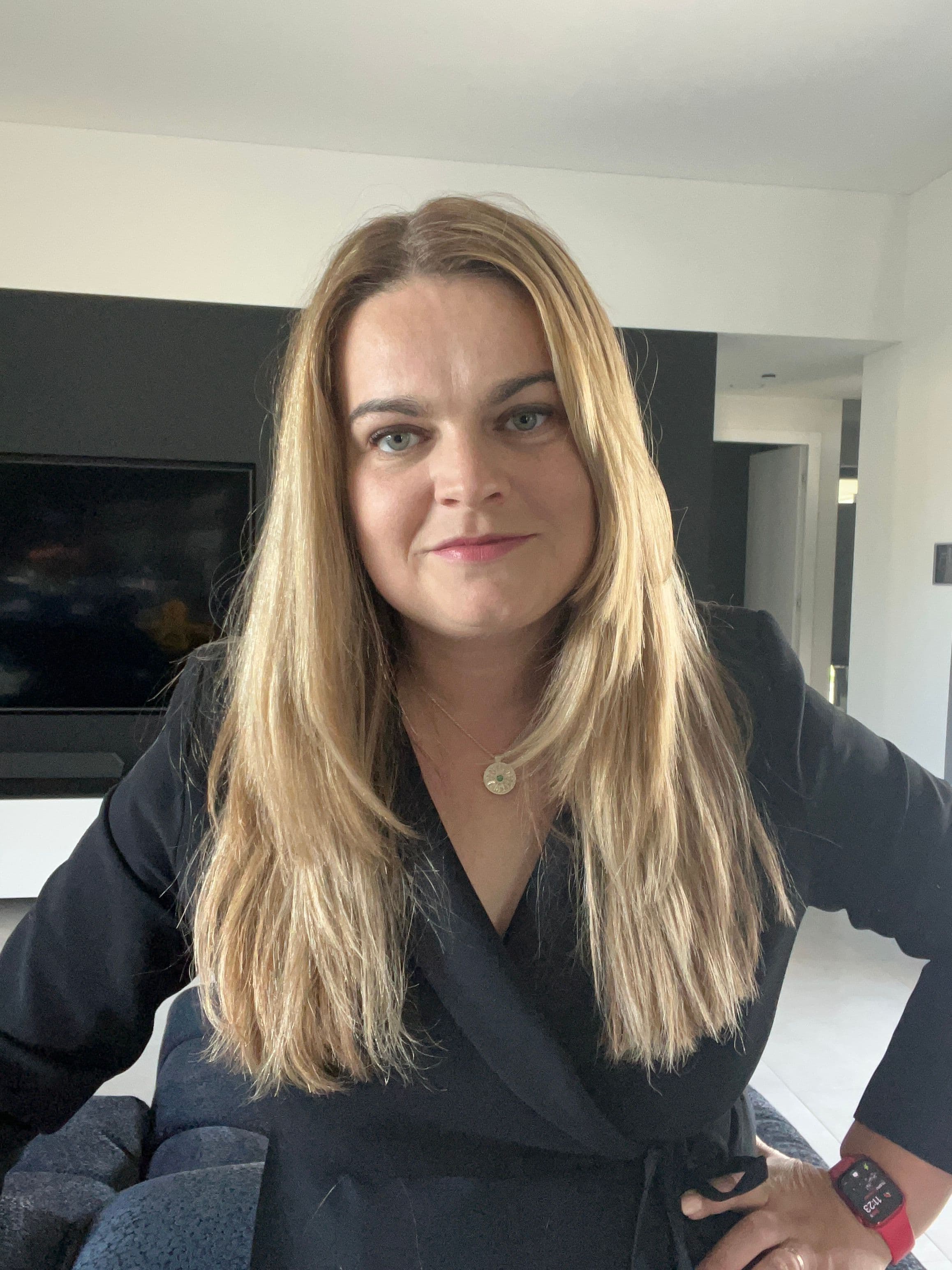
I'm Roma — a leadership coach for women in mid-to-senior roles who are doing a lot but don't feel in control of their time, energy, or decisions. I help them build the structure and clarity to lead without running on empty.
If this resonates, feel free to reach out — I'd be happy to have a conversation.